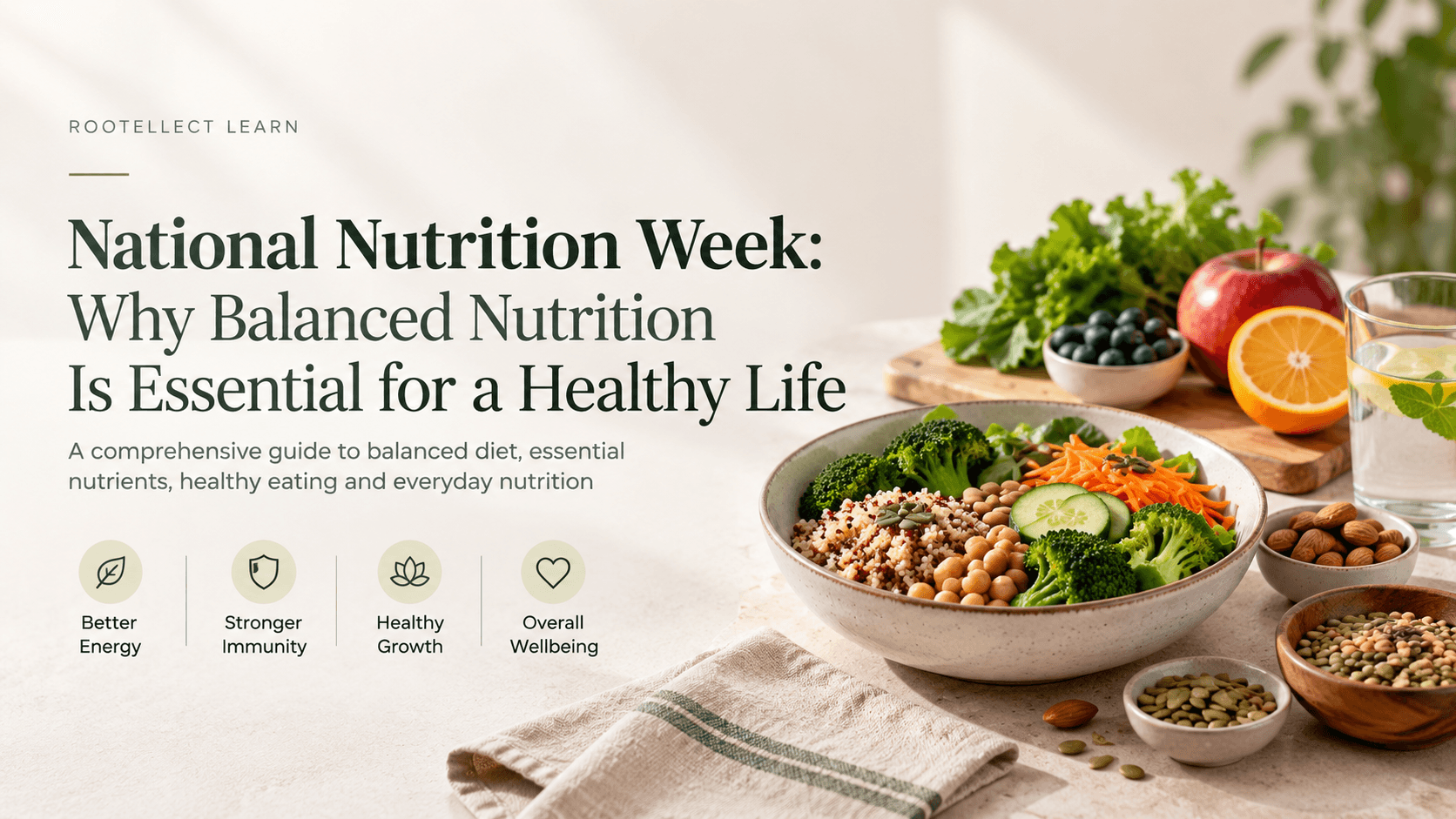
“Quick answer: Balanced nutrition means regularly eating a suitable variety of foods that together provide energy, protein, healthy fats, vitamins, minerals, fibre and fluids. The goal is not a perfect meal or a single superfood; it is a sustainable dietary pattern based on variety, adequacy, moderation and balance.”
National Nutrition Week is an opportunity to focus on one of the foundations of long-term health: what we eat every day. Food supplies the energy and nutrients the body needs for growth, tissue repair, immune function, digestion, bones, muscles, normal body processes and overall wellbeing.
Healthy eating does not require eliminating carbohydrates, following a restrictive trend or searching for one “superfood.” The World Health Organization describes adequacy, balance, moderation and diversity as core principles of a healthy diet. The exact combination of foods can vary with age, activity, culture, food availability and individual needs.
What is balanced nutrition?
Balanced nutrition means obtaining a suitable variety of nutrients from different food groups rather than relying heavily on one food or nutrient. A balanced diet generally includes vegetables and fruits, whole grains and other carbohydrate foods, pulses and other protein foods, nuts and seeds, dairy or suitable alternatives, healthy sources of fat and adequate fluids.
A balanced diet is not only about weight. It matters for people who want to maintain everyday energy, stay active, support healthy ageing, build or preserve muscle, improve food quality or simply develop more consistent eating habits.
Why is nutrition important every day?
The body continuously uses nutrients. Muscles need amino acids and energy; bones depend on minerals and vitamin D; the nervous and immune systems rely on multiple nutrients; and water is involved in circulation, digestion and temperature regulation. Nutrition is therefore an everyday pattern, not a short-term project.
WHO notes that healthy diets help protect against malnutrition in all its forms and reduce the risk of several noncommunicable diseases, including cardiovascular disease, diabetes and some cancers. A dietary pattern built mainly around minimally processed or unprocessed foods can be an important part of a healthy lifestyle.
World Health Organization — Healthy diet fact sheet
The 7 essential parts of balanced nutrition
1. Carbohydrates: a major energy source
Carbohydrates are found in rice, wheat, oats, millets, potatoes, fruits, vegetables and pulses. There is no general need to eliminate carbohydrates from a healthy diet. Instead, prioritise nutrient-rich sources such as whole grains, pulses, vegetables and fruits, and keep foods high in free sugars in moderation.
2. Protein: growth, maintenance and repair
Protein provides amino acids used to build and repair tissues and make enzymes, hormones and other functional molecules. Sources include dal, lentils, chickpeas, rajma, soy foods, dairy, nuts, seeds, eggs, fish and meat. Requirements differ by age, body size, activity, pregnancy and other factors, so one universal protein target does not fit everyone.
3. Healthy fats: essential, not optional
Dietary fats provide energy, support cell function and help absorb fat-soluble vitamins. The type of fat matters. Unsaturated fats from nuts, seeds and many plant oils are generally preferred over saturated fats, while industrially produced trans fats should be avoided.
4. Vitamins and minerals: small amounts, major roles
Micronutrients support many normal body processes. Iron contributes to normal oxygen transport, calcium supports bones and teeth, iodine is needed for thyroid hormone production, and vitamin C contributes to normal immune function and improves absorption of iron from plant foods.
5. Fibre: an important part of digestive health
Dietary fibre occurs naturally in vegetables, fruits, whole grains, beans, lentils, chickpeas, nuts and seeds. It supports digestive health and can contribute to fullness. Increase fibre gradually if your usual intake is low and drink adequate fluids.
6. Water and hydration
Water is essential for life and participates in temperature regulation, circulation, digestion and other body processes. Fluid needs vary with climate, activity, age and individual circumstances. In hot weather or during exercise, requirements can increase.
7. Food variety
No single food supplies every nutrient in every amount the body needs. Variety across food groups and across different vegetables, fruits, grains and protein foods improves the chance of meeting nutrient needs while making meals more enjoyable and culturally flexible.
How to build a balanced Indian plate
“A simple meal framework: include vegetables or fruit + a protein-rich food + a whole-grain or other carbohydrate source + a moderate amount of healthy fat. Add water as the main beverage and adjust portions to your individual needs.”
- —Vegetables: leafy greens, carrots, beans, cauliflower, gourds, tomatoes and seasonal vegetables.
- —Fruits: choose a variety of whole fruits rather than relying heavily on juice.
- —Protein foods: dal, chickpeas, rajma, beans, soy, paneer, curd, eggs, fish, chicken or other suitable sources.
- —Whole grains and carbohydrate foods: oats, whole-wheat roti, brown rice, millets, quinoa, potatoes and other nutrient-rich options.
- —Healthy fats: nuts, seeds and suitable plant oils in moderate amounts.
- —Fluids: make water the default drink for most situations.
Indian meals already offer many useful combinations. Dal with roti, rajma with rice, vegetable khichdi with curd, vegetable poha with peanuts, idli with sambar, or mixed vegetables with whole grains can all be adapted into balanced meals.
Evidence-based healthy eating targets worth knowing
| Nutrition area | Practical benchmark |
|---|---|
| Fruits and vegetables | WHO recommends at least 400 g per day for people older than 10 years. |
| Naturally occurring dietary fibre | WHO recommends at least 25 g per day for people older than 10 years. |
| Free sugars | Keep below 10% of total daily energy; reducing to 5% or less may provide additional benefits. |
| Salt | Adults should consume less than 5 g salt per day, equivalent to less than 2 g sodium. |
| Industrial trans fats | Avoid industrially produced trans fats. |
These are population-level recommendations, not personalised prescriptions. Individual dietary needs can differ because of age, pregnancy, activity, medical conditions, medications and other factors.
Healthy eating habits that are realistic in everyday life
- —Eat different vegetables and fruits across the week rather than repeating only one or two choices.
- —Choose whole grains and pulses more often and use familiar local staples instead of assuming healthy food must be expensive.
- —Include a protein-rich food regularly across meals according to your needs.
- —Choose unsaturated fat sources such as nuts, seeds and suitable plant oils in moderate amounts.
- —Limit excess free sugar, salty packaged foods and foods high in unhealthy fats.
- —Build most meals around minimally processed or unprocessed foods and use highly processed convenience foods selectively.
- —Keep water accessible and make hydration part of your routine.
6 common nutrition mistakes to avoid
Mistake 1: believing one superfood can provide everything
No fruit, seed, powder or supplement replaces a varied diet. Nutritional quality comes from the overall eating pattern.
Mistake 2: cutting out entire food groups without a reason
Removing carbohydrates, fats or other food groups without an appropriate medical, dietary or ethical reason can make nutritional adequacy harder. Restrictive diets should be planned carefully.
Mistake 3: focusing only on calories
Calories matter, but food also supplies protein, fibre, vitamins, minerals and other compounds. Similar-calorie foods can have very different nutritional profiles.
Mistake 4: ignoring portion balance
Even nutritious foods can contribute to an unbalanced pattern if portions consistently do not match individual energy needs. Hunger, fullness, activity and the overall dietary pattern matter.
Mistake 5: depending on supplements instead of food
Supplements can be useful in specific situations, such as an identified deficiency or increased requirement, but they should not automatically replace a nutritious diet. A qualified healthcare professional can help determine whether supplementation is appropriate.
Mistake 6: believing every online nutrition claim
Be cautious with claims promising rapid weight loss, guaranteed hormone balance, instant immunity, “detoxification” or disease cures from a single food or supplement. Prefer guidance that is transparent about evidence, limitations and individual variation.
Nutrition for different lifestyles and life stages
Children and adolescents
Growing bodies need adequate energy, protein, vitamins and minerals. Regular meals with vegetables, fruits, whole grains, protein foods and appropriate dairy or alternatives can support healthy growth and help establish long-term eating habits.
Adults
For adults, balanced nutrition supports everyday energy, physical activity, healthy body composition and long-term health. Simple meal planning and preparing staples such as dal, vegetables, whole grains and protein-rich foods can reduce dependence on convenience foods.
Older adults
Appetite and nutritional needs can change with age. Protein, fibre, fluids and micronutrients remain important, while texture, medication use and medical conditions may require individual consideration.
Active people
Physical activity increases the importance of adequate energy and nutrient intake. Carbohydrates can support exercise energy needs, protein contributes to muscle maintenance and repair, and hydration becomes especially important during prolonged or vigorous activity.
Vegetarian and plant-based eating
A well-planned vegetarian or plant-based diet can include a wide range of nutritious foods. Pulses, beans, lentils, soy foods, dairy or fortified alternatives, nuts and seeds can contribute protein and other nutrients. More restrictive diets require closer attention to nutrients that may be harder to obtain.
How to eat well on a budget in India
Nutritious eating does not require expensive specialty foods. Seasonal vegetables, bananas and other local fruits, lentils, chickpeas, beans, whole grains and locally available staples can provide substantial nutrition at reasonable cost. Meal planning, buying produce in season and reducing food waste can improve affordability.
Balanced nutrition and long-term health
Nutrition is one part of a healthy lifestyle alongside physical activity, adequate sleep, stress management, safe food practices and appropriate healthcare. Nutrition cannot prevent every illness, but a healthy dietary pattern can contribute to overall health and reduce risk factors for several chronic conditions.
WHO & FAO — What are healthy diets? Joint statement
World Health Organization — Healthy diet: India
Frequently asked questions about balanced nutrition
What is balanced nutrition?
Balanced nutrition is a varied eating pattern that provides adequate energy, protein, fats, vitamins, minerals, fibre and fluids while maintaining variety, moderation and balance across food groups.
Why is balanced nutrition important for health?
Balanced nutrition supplies nutrients needed for normal growth, tissue repair, energy metabolism, immune function, digestion, bones, muscles and overall wellbeing. Healthy dietary patterns also help protect against malnutrition and can reduce risk factors for several noncommunicable diseases.
What are the essential nutrients the body needs?
The major nutrient groups are carbohydrates, protein, fats, vitamins, minerals, fibre and water. Each has a different role, so no single food or supplement can replace a varied diet.
How much fruit and vegetables should I eat?
WHO recommends at least 400 grams of fruits and vegetables per day for people older than 10 years. Individual needs vary, but increasing variety and choosing whole fruits and vegetables regularly is a useful goal.
Are carbohydrates healthy?
Yes. Carbohydrates are an important energy source. Focus on nutrient-rich sources such as whole grains, pulses, vegetables and fruits, while limiting foods and drinks high in free sugars.
Can supplements replace a balanced diet?
No. Supplements may be appropriate for a diagnosed deficiency or increased requirement, but they do not replace the variety of foods and nutrients in a balanced diet. Supplement use should be guided by an appropriate healthcare professional.
How can Indians build a balanced plate?
A practical Indian balanced meal can combine vegetables, a protein-rich food such as dal, beans, soy, paneer, curd, eggs, fish or chicken, a whole-grain or other carbohydrate source such as roti, rice or millets, and a moderate amount of healthy fat. Water should usually be the default drink.
Conclusion: make balanced nutrition an everyday habit
National Nutrition Week is more than a yearly reminder to eat better. Balanced nutrition is built from simple principles: eat a variety of foods, include vegetables and fruits, choose whole grains and pulses, consume adequate protein, select healthier fats, limit excess sugar and salt, stay hydrated and avoid making highly processed foods the foundation of the diet.
There is no single perfect diet for everyone. The most useful eating pattern is nutritionally adequate, culturally appropriate, affordable, enjoyable and sustainable. Small improvements repeated consistently are often more valuable than extreme changes that are difficult to maintain.
Sources
World Health Organization — Healthy Diet
WHO & FAO — What Are Healthy Diets?
World Health Organization — Healthy Diet: India
Frequently Asked Questions
What is balanced nutrition?
Balanced nutrition is a varied eating pattern that provides adequate energy, protein, fats, vitamins, minerals, fibre and fluids while maintaining variety, moderation and balance across food groups.
Why is balanced nutrition important for health?
Balanced nutrition supplies nutrients needed for normal growth, tissue repair, energy metabolism, immune function, digestion, bones, muscles and overall wellbeing. Healthy dietary patterns also help protect against malnutrition and can reduce risk factors for several noncommunicable diseases.
What are the essential nutrients the body needs?
The major nutrient groups are carbohydrates, protein, fats, vitamins, minerals, fibre and water. Each has a different role, so no single food or supplement can replace a varied diet.
How much fruit and vegetables should I eat?
WHO recommends at least 400 grams of fruits and vegetables per day for people older than 10 years. Individual needs vary, but increasing variety and choosing whole fruits and vegetables regularly is a useful goal.
Are carbohydrates healthy?
Yes. Carbohydrates are an important energy source. Focus on nutrient-rich sources such as whole grains, pulses, vegetables and fruits, while limiting foods and drinks high in free sugars.
Can supplements replace a balanced diet?
No. Supplements may be appropriate for a diagnosed deficiency or increased requirement, but they do not replace the variety of foods and nutrients in a balanced diet. Supplement use should be guided by an appropriate healthcare professional.
How can Indians build a balanced plate?
A practical Indian balanced meal can combine vegetables, a protein-rich food such as dal, beans, soy, paneer, curd, eggs, fish or chicken, a whole-grain or other carbohydrate source such as roti, rice or millets, and a moderate amount of healthy fat. Water should usually be the default drink.