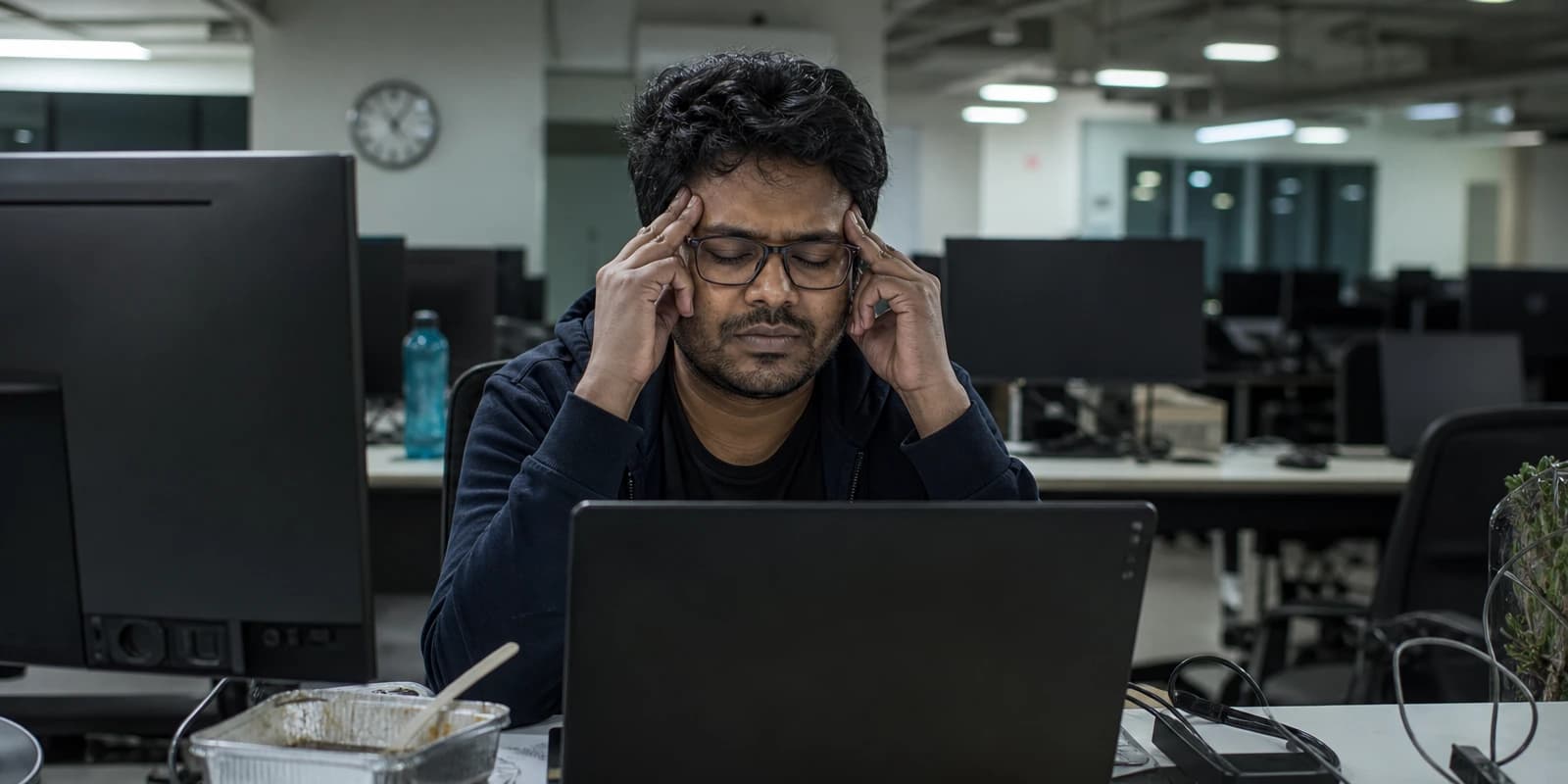
You sleep, cancel plans, spend a quiet weekend at home—and still feel depleted on Monday. When rest does not restore you, it is tempting to conclude that you need even more sleep. Sometimes the larger issue is that the demand causing the exhaustion has not changed.
“Burnout has a specific meaning. WHO describes it as an occupational phenomenon resulting from chronic workplace stress that has not been successfully managed—not a diagnosis for every form of tiredness.”
Burnout, stress and ordinary tiredness are not the same
Ordinary tiredness often improves after adequate sleep or a lighter day. Stress can involve worry, irritability, physical tension and difficulty relaxing. Workplace burnout adds a particular pattern: energy depletion, increased distance or cynicism toward the job, and reduced professional efficacy.
These experiences can overlap, but the distinction matters. Labelling every case of exhaustion as burnout can delay assessment of poor sleep, anaemia, thyroid problems, depression, medication effects or another health condition.
WHO — Burn-out as an occupational phenomenon
9 reasons rest may not feel restorative
1. The source of the stress is still active
A weekend can pause your exposure to a workload, but it does not automatically reduce unrealistic expectations, unclear priorities, conflict or lack of control. Recovery is difficult when the same conditions restart without any adjustment.
2. Your mind never fully leaves work
Checking messages, anticipating Monday and mentally rehearsing unfinished tasks can keep the workday alive long after you stop typing. Physical stillness is not always psychological detachment.
3. Stress is disrupting sleep quality
You may spend enough hours in bed but still wake frequently, struggle to fall asleep or feel unrefreshed. Poor sleep then lowers your capacity for the next day, making ordinary demands feel heavier.
Use this guide to separate common sleep disruptors from persistent insomnia and learn when professional help matters.
Read: Why can’t I sleep? →4. Passive downtime is adding more stimulation
Scrolling can feel effortless, but rapid content, notifications and upsetting news still demand attention. A restorative break is more likely to reduce input or shift you into a genuinely different activity.
5. Caffeine is masking fatigue and affecting the next night
Using caffeine to override exhaustion can make the cycle harder to read. If late caffeine affects your sleep, you may wake tired and rely on it again. Move it earlier and observe rather than assuming one universal cutoff.
6. Emotional exhaustion has changed motivation
Feeling detached, irritable, ineffective or unable to care about work may signal more than a busy week. These changes deserve a conversation about workload, support and working conditions—not just advice to become more resilient.
7. Your body has had too little movement or daylight
Stressful desk-based days can narrow the routine to work, screens and sleep. Regular movement and daylight can support wellbeing, but exercise should not become another punishing target when you are already depleted.
8. You are carrying invisible responsibilities
Caregiving, household coordination and constant availability can continue after paid work ends. Recovery plans fail when they ignore this second workload or assume all non-work time is free time.
9. The fatigue may have another cause
Persistent exhaustion can accompany sleep disorders, anaemia, thyroid conditions, nutritional deficiencies, infections, depression, anxiety, chronic pain and medication effects. Burnout language should never replace appropriate assessment.
A recovery plan that goes beyond sleeping more
Identify the demand you can actually change
- —List the recurring tasks or conditions that drain the most energy
- —Separate urgent work from work that is merely visible
- —Ask which deadlines, meetings or responsibilities can be renegotiated
- —Clarify ownership instead of carrying ambiguous tasks
- —Escalate unsafe workloads or workplace conflict through appropriate channels
Create a clear end to the workday
- —Write the next action for unfinished tasks
- —Set a realistic stopping time
- —Turn off non-essential notifications
- —Avoid reopening work during the wind-down period
- —Use a short transition such as a walk, shower or change of environment
Choose active recovery
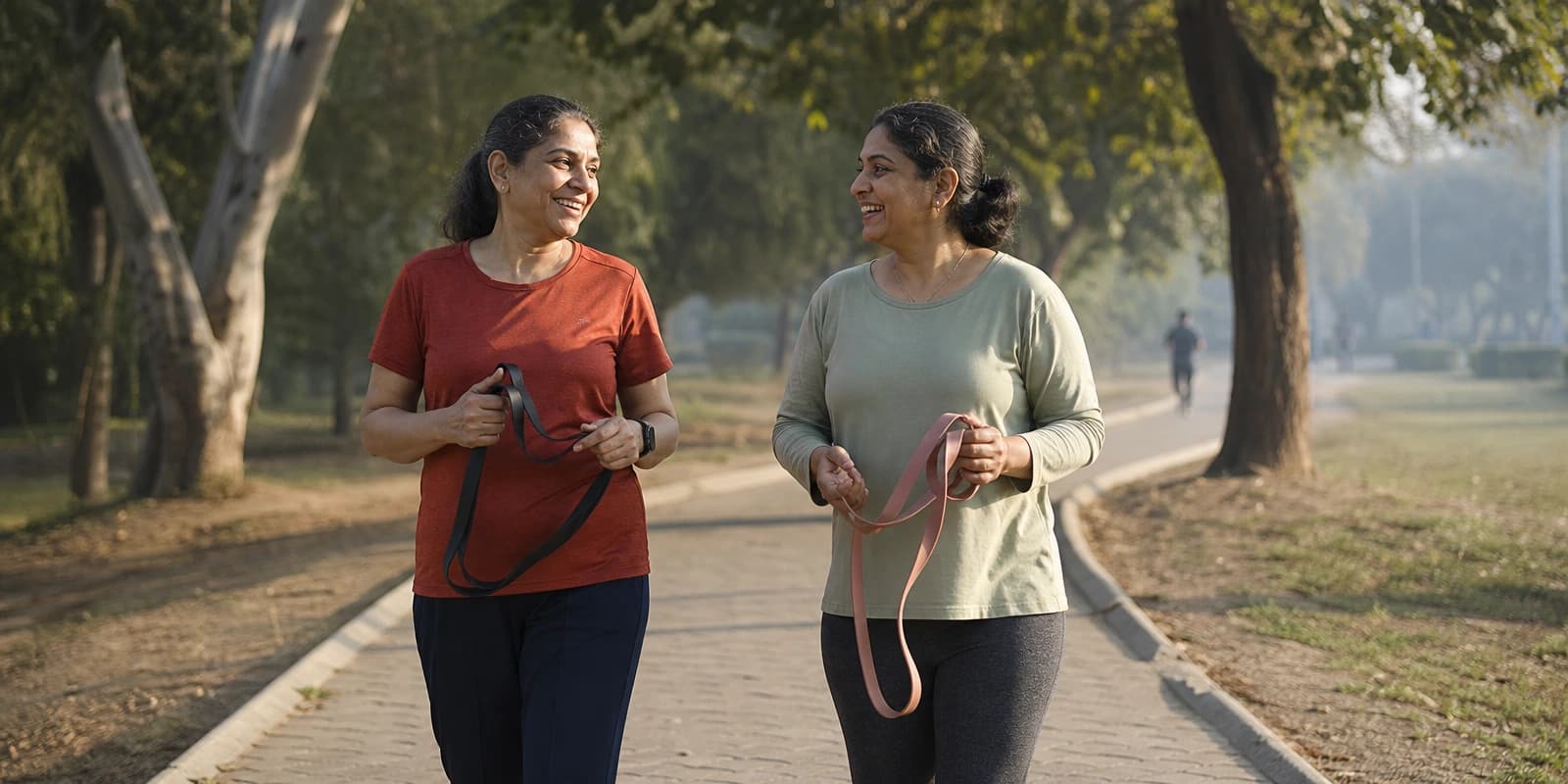
Active recovery does not mean intense exercise. It means choosing activities that genuinely change your state: walking outdoors, preparing a meal, talking with someone you trust, gentle movement, creative work or quiet time without constant input.
Restore basic routines without perfection
- —Keep sleep and wake times reasonably consistent
- —Eat regular balanced meals and drink enough fluid
- —Build short movement breaks into the day
- —Reduce caffeine late in the day if it affects sleep
- —Protect time with people and activities unrelated to work
WHO — Stress, common signs and practical coping steps
Where Mind Calm may fit
When everyday stress leaves you mentally restless or unable to switch off, Rootellect Mind Calm may be considered as one part of a broader wellness routine. Its formula contains B-LIT® Bacopa, Jatamansi 10:1, L-Theanine, vitamin B6 as P-5-P and vitamin B12 as methylcobalamin to support calm focus, relaxation and everyday mental wellbeing.
It is not a treatment for burnout, anxiety, chronic stress or fatigue. No supplement can correct an unsafe workload, replace sleep or rule out a medical cause of exhaustion.
Read the complete ingredient label, directions and cautions before deciding whether Mind Calm fits your routine.
Explore Rootellect Mind Calm →For a closer look at Bacopa, Jatamansi and L-Theanine—and the limits of supplement claims—read this ingredient guide.
Read: Herbal calm-support ingredients explained →When to seek professional support
Speak with a healthcare professional if exhaustion persists, worsens or interferes with daily life. Seek urgent help for severe distress, thoughts of self-harm, chest pain, fainting, major breathlessness or other emergency symptoms. Workplace support, counselling or occupational-health input may be useful when the problem is closely tied to job conditions.
The bottom line
If you feel burned out even after resting, do not treat the experience as a personal failure. Ask what the rest period did not change: the workload, mental availability, poor sleep, caregiving load or a possible health issue. Sustainable recovery combines restoration with action on the source.
For a related perspective on high-stress symptoms without self-diagnosing a hormone problem, continue here.
Read: High cortisol symptoms in women—what to know →Sources
WHO — Burn-out as an occupational phenomenon
Cleveland Clinic — Signs of burnout and recovery
Frequently Asked Questions
Why do I still feel burned out after sleeping?
Sleep may not resolve exhaustion when sleep quality is poor, workplace stress continues, mental load remains high or another health issue is contributing. Persistent fatigue should not automatically be labelled burnout.
Is burnout a medical condition?
WHO classifies burnout as an occupational phenomenon, not a medical condition. Its definition relates specifically to chronic workplace stress that has not been successfully managed.
What is the difference between stress and burnout?
Stress may involve pressure, worry and overactivation. Workplace burnout is characterised by exhaustion, increased mental distance or cynicism toward the job, and reduced professional efficacy.
Can chronic stress affect sleep and digestion?
Stress can make it difficult to relax and may coincide with sleep difficulty, headaches, body pain or an upset stomach. These symptoms can have other causes as well.
How do you recover when rest is not enough?
Recovery may require reducing or changing the underlying demands, setting boundaries, restoring routine, seeking practical support and addressing sleep or health problems—not simply adding more passive rest.
When should persistent exhaustion be medically assessed?
Seek professional advice when fatigue persists, affects daily functioning or occurs with breathlessness, fainting, unexplained weight change, persistent low mood, pain, fever or other concerning symptoms.