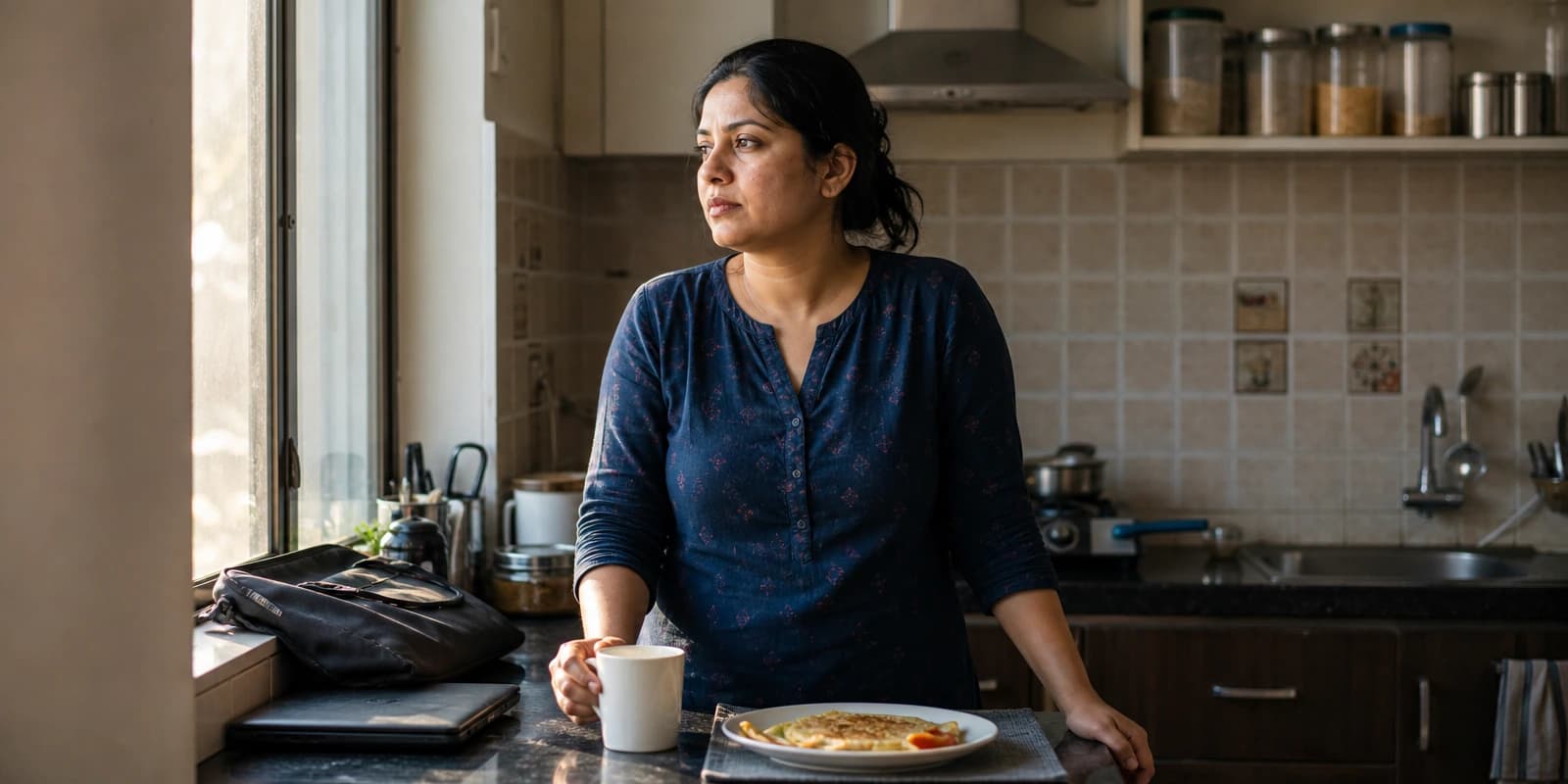
Perimenopause is the transition leading up to menopause. Periods may change, and some people notice differences in sleep, temperature comfort, mood, concentration or energy. Experiences vary widely, and the same symptoms can also have other causes.
“Lifestyle changes can support wellbeing, but you do not have to manage disruptive symptoms alone. A healthcare professional can help you understand what is happening and discuss appropriate options.”
1. Protect a consistent sleep routine
Hormonal changes, night-time warmth and stress can make sleep less predictable. Start with regular sleep and wake times, a cooler bedroom and a repeatable wind-down routine.
- —Keep the room cool, quiet and dark
- —Move caffeine earlier if it affects sleep
- —Reduce alcohol near bedtime
- —Finish vigorous exercise earlier in the day if late workouts keep you alert
- —Use a calm pre-bed routine such as reading, breathing or a warm bath
Office on Women's Health — Menopause symptoms and relief
Want both daytime transition support and a melatonin-free evening wind-down capsule?
Compare our Perimenopause & Mind Calm bundleRead our non-melatonin sleep support guide
2. Include strength and weight-bearing exercise
Muscle and bone health become especially important through midlife. Strength training and weight-bearing movement can support function, balance and bone health when adapted to your ability.
Two shorter sessions can be easier to sustain than an ambitious plan. Squats to a chair, resistance-band rows, supported lunges and light weights are possible starting points, but individual conditions and injuries should guide the programme.
Build a realistic resistance routine with technique, recovery and progression in mind.
Read: Strength training for women over 40 →3. Keep everyday movement consistent
Walking, cycling, swimming, yoga and other enjoyable movement can support cardiovascular health, mobility and mood. The best plan is one you can repeat and adjust around sleep, energy and joint comfort.
Break activity into smaller sessions if that feels more manageable. Consistency matters more than an all-or-nothing approach.
World Health Organization — Physical activity fact sheet
4. Build meals around balance, not restriction
A balanced pattern usually includes vegetables and fruit, pulses, whole grains, protein foods and healthy fats. This supports general nutrition without turning every symptom into a food rule.
- —Include a protein source at meals
- —Choose fibre-rich carbohydrates such as oats, whole grains, beans and lentils
- —Use nuts, seeds and unsaturated oils in appropriate portions
- —Drink enough water across the day
- —Notice patterns without labelling individual foods as cures
5. Pay attention to calcium, Vitamin D and magnesium
Calcium and Vitamin D are important for bone health, while magnesium supports normal muscle and nerve function. Food intake, sun exposure, age, medicines and health conditions can all affect individual needs.
Do not assume more is always better. If you are considering supplements, discuss appropriate amounts and interactions with a qualified professional and review the product label.
NIH Office of Dietary Supplements — Calcium consumer fact sheet
NIH Office of Dietary Supplements — Vitamin D consumer fact sheet
NIH Office of Dietary Supplements — Magnesium consumer fact sheet
6. Identify personal triggers without over-restricting
Some people notice that alcohol, caffeine, spicy foods, warm rooms or stress affect hot flushes or sleep. A short diary can help you identify your own pattern rather than following a universal avoidance list.
- —Record the time and context of symptoms
- —Note sleep, caffeine, alcohol, meals and room temperature
- —Change one variable at a time
- —Review patterns after two to four weeks
- —Avoid cutting out major food groups without professional advice
7. Make stress care practical
Stress management does not need to mean long meditation sessions. Slow breathing, walking, stretching, journaling, time outdoors or speaking with someone you trust can all become repeatable recovery cues.
If low mood, anxiety or loss of interest is persistent or severe, seek professional support. Cognitive behavioural therapy and other treatments may be appropriate for some people.
Understand how stress, sleep and daily routines interact during hormonal change.
Read: High cortisol symptoms in women →8. Protect social connection
Talking openly with a partner, friend, colleague or support group can reduce isolation and make practical adjustments easier. Clear communication can also help others understand that energy, sleep and concentration may fluctuate.
9. Track changes and work with a healthcare professional
A simple record of menstrual changes, sleep, hot flushes, mood and medicines can make a clinical conversation more useful. It can also help distinguish patterns from one difficult day.
Medical support is not limited to one option. Depending on your history and symptoms, a clinician may discuss hormonal or non-hormonal approaches, psychological support, sleep care or investigation for other causes.
NHS — Treatment for menopause and perimenopause
Early signs: when to seek assessment
Changes in the timing or flow of periods can be an early sign of perimenopause. Sleep disruption, temperature changes and mood symptoms may occur too, but can have other causes. Bring a record of periods, symptoms and medicines to a qualified healthcare professional rather than diagnosing yourself from a checklist.
Arrange an assessment if symptoms affect daily life, bleeding becomes heavier or unexpected, or any vaginal bleeding occurs after 12 months without a period. Earlier advice can help you understand your options.
NHS — Symptoms of menopause and perimenopause
Hot flashes and night sweats
Hot flashes can cause sudden warmth and sweating; episodes at night can interrupt sleep. Try light layers, a cooler bedroom and a fan. Notice whether caffeine, alcohol, spicy food or stress affects your own pattern. Persistent or disruptive symptoms deserve clinical advice about suitable care.
NHS — Everyday support for menopause and perimenopause
Choosing supplements safely
Supplements are optional and should not replace assessment or prescribed care. Check the amount per tablet and the total daily serving, avoid overlapping products, and discuss herbal ingredients with a clinician or pharmacist if you take medicines or have a medical condition.
Evidence for herbs and other supplements in relieving menopausal symptoms is uncertain, and interactions or side effects are possible. Research on one ingredient does not establish that a finished combination treats hot flashes, mood changes or sleep problems.
NIH NCCIH — Menopausal symptoms: evidence and safety
Where supplementation fits
A supplement can complement a food-first routine when its ingredients and amounts suit the individual. It should not be positioned as a replacement for medical assessment or as a guaranteed solution for hot flushes, mood or sleep.
Rootellect Perimenopause Support is a vegan, non-hormonal daily wellness formula with botanicals and nutrients including Shatavari, Black Cohosh, Ashwagandha, Jatamansi, Myo-Inositol, Magnesium Glycinate, Vegan Vitamin D3, Vitamin K2-7, Zinc and B vitamins.
Herbal evidence and safety vary, and some ingredients can interact with medicines. Review the full label and seek professional advice if you use medicines, have a health condition, are preparing for surgery or have a history that may affect supplement choice.
Review the complete ingredient list, directions and cautions before deciding whether this formula fits your routine.
Explore Perimenopause Support →NHS — Things you can do to help menopause and perimenopause
A realistic weekly starting plan
- —Choose one consistent sleep and wake-time target
- —Schedule two appropriate strength sessions
- —Add short walks or enjoyable movement on most days
- —Build meals around protein, plants and fibre
- —Track symptoms and possible triggers without judging yourself
- —Book a healthcare appointment if symptoms are disruptive or worrying
For a wider view of mood, energy and cycle changes, explore this guide to hormonal wellbeing.
Read: Hormonal imbalance signs, causes and support →The bottom line
There is no single perfect perimenopause routine. Start with the changes that remove friction from your day: steadier sleep, appropriate strength work, balanced meals, practical stress care and clear clinical support when needed.
“Small, repeatable habits are more useful than an extreme plan you cannot sustain.”
Disclaimer
This article is for general educational purposes and is not medical advice. Supplements are not intended to diagnose, treat, cure or prevent disease. Individual needs vary; consult a qualified healthcare professional for personal guidance.
Frequently Asked Questions
At what age can perimenopause begin?
Perimenopause often begins in the 40s, but timing varies and it can start earlier. Changes in periods, sleep, temperature comfort, mood or concentration can have many causes, so speak with a healthcare professional if you are unsure.
How is perimenopause identified?
A healthcare professional usually considers age, menstrual changes, symptoms and medical history. Hormone levels can fluctuate during the transition, so a single blood test may not provide the full picture. Individual assessment is important.
Is strength training suitable during perimenopause?
For many adults, progressive resistance and weight-bearing activity can support muscle, mobility and bone health. Start at an appropriate level and seek professional guidance if you have pain, osteoporosis, cardiovascular concerns or another condition affecting exercise.
Do I need supplements during perimenopause?
Not everyone needs a supplement. Begin with a balanced diet and discuss individual nutrient needs, medicines and health history with a qualified healthcare professional. Evidence and safety vary across ingredients, and herbal products can interact with medicines.
Can lifestyle changes replace medical care?
No. Lifestyle habits can support general wellbeing, but they do not replace assessment or treatment when symptoms are disruptive. A clinician can discuss evidence-based options, including hormonal and non-hormonal care where appropriate.
When should I seek medical advice?
Seek advice for very heavy or unexpected bleeding, bleeding after 12 months without a period, severe mood changes, persistent sleep problems, new pain or any symptom that is worrying or affecting daily life.