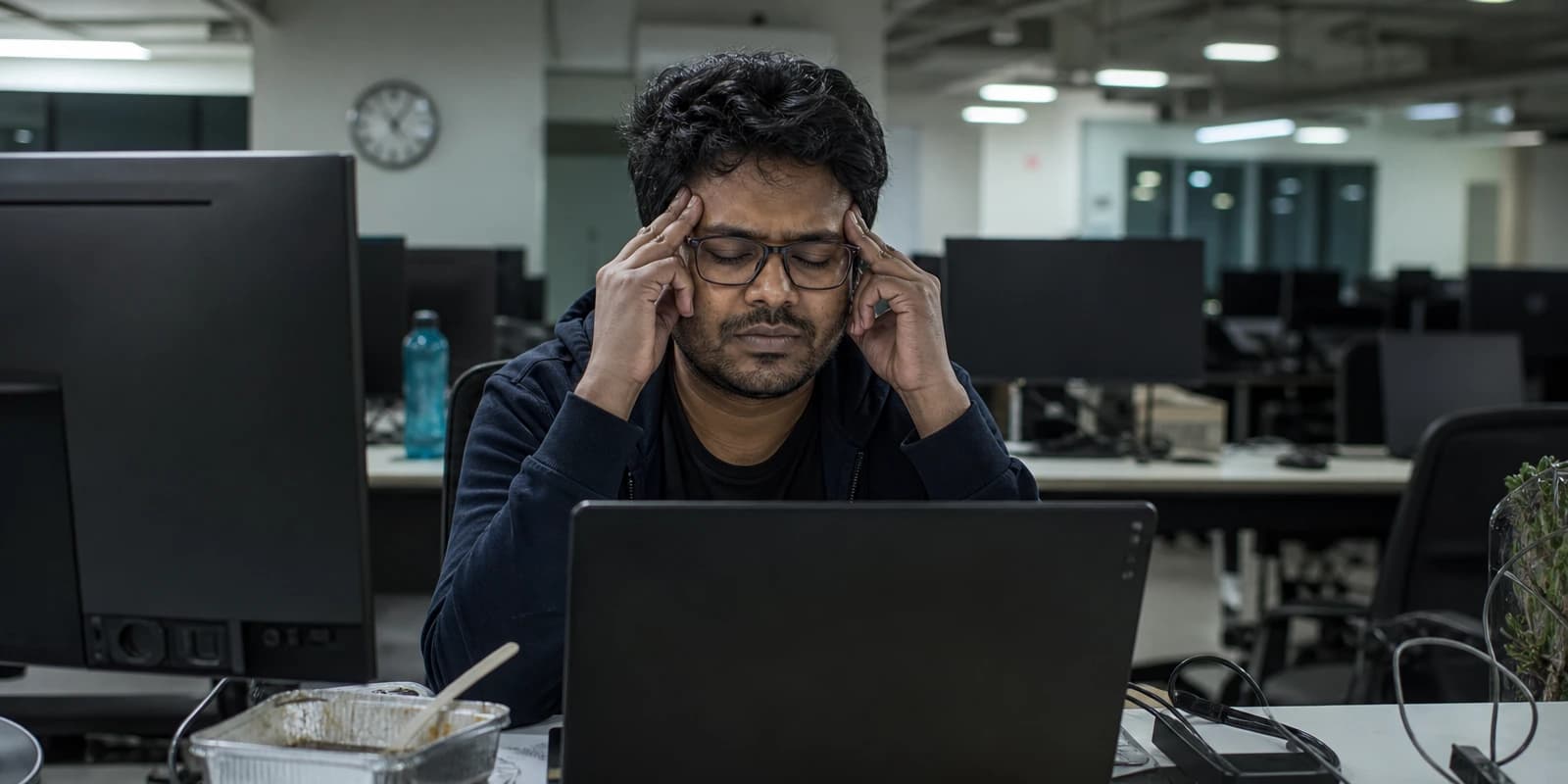
Modern life is a high-speed chase, and for many of us, the finish line is a bed we can’t seem to fall asleep in. Whether it’s the “tired but wired” feeling at midnight or the mental fog at 8:00 AM, sleep disturbances are rarely just about being tired—they are the result of a complex biological tug-of-war.
To achieve truly restful sleep, we have to look past the pillow and understand the chemistry of the brain.
The Biology of the “Busy Brain”
Stress isn’t just a feeling; it’s a systemic biological event. When we face deadlines or digital overload, our body activates the HPA Axis (Hypothalamus–Pituitary–Adrenal Axis).
The Stress Cascade
- —The Trigger: A stressor is perceived by the Hypothalamus.
- —The Signal: The Pituitary gland signals the Adrenal glands.
- —The Output: Cortisol (the stress hormone) is released.
While Cortisol is essential for morning alertness, chronic stress keeps these levels “stuck” in the on position. This creates a state of hyperarousal, where your brain remains on high alert even as you dim the lights.
Recognising the body-level signs of elevated stress hormones?
High cortisol symptoms in women: 10 signs →The Internal Clock: Circadian Rhythms vs. Sleep Pressure
Sleep is governed by two primary forces:
- —The Circadian Rhythm: Your internal 24-hour clock that reacts to light and dark.
- —Sleep Pressure: The biological buildup of adenosine that tells your body it’s time to recharge.
When stress enters the mix, it hijacks these systems by unbalancing key neurotransmitters like GABA (your brain’s “brakes”) and Melatonin (your sleep signal).
Nature’s Toolkit: Herbal Extracts and Nutraceuticals
Unlike synthetic sedatives that often “force” the brain into unconsciousness, many botanical compounds work by supporting the body’s natural relaxation pathways.
1. Jatamansi (Nardostachys jatamansi)
A pillar of Ayurvedic tradition, Jatamansi is prized for its ability to target the GABAergic system. By supporting the pathways that tell the nervous system to “slow down,” it helps clear the path for a tranquil transition into sleep.
2. L-Theanine
Found naturally in green tea, this amino acid is unique because it promotes relaxation without drowsiness. It works by:
- —Increasing alpha brain wave activity (the state of “quiet alertness”).
- —Balancing dopamine and serotonin levels.
- —Smoothing out the “jittery” physical response to stress.
3. Bacopa Monnieri (Brahmi)
While often celebrated for memory, Bacopa is a powerful adaptogen. It helps the brain communicate more effectively under pressure and protects neurons from the oxidative damage caused by chronic stress.
Looking for the right formulation to achieve mental balance and restorative sleep?
Discover the science behind our Mind Calm herbal supplement →The Path to Restoration
The journey to better sleep is holistic. While nutraceuticals provide the biochemical support your nervous system needs, they work best when paired with “sleep hygiene” fundamentals:
- —Consistency: Go to bed and wake up at the same time every day.
- —Digital Detox: Limit blue light exposure 60 minutes before bed to allow melatonin to rise.
- —Mindful Transitions: Use techniques like meditation to signal to your HPA axis that the “threats” of the day are over.
Summary
“The connection between stress and sleep is undeniable. By understanding the HPA axis and utilizing targeted herbal extracts like Jatamansi and L-Theanine, you can move away from “fighting” for sleep and toward a natural, restorative rhythm.”
Experience deeper rest and a quieter mind. Discover the calming synergy of Bacopa, Jatamansi, and L-Theanine.
Shop Stress & Sleep Support