
“Quick answer: High cortisol symptoms in women often include midsection weight gain, persistent fatigue, "tired but wired" sleep issues, mood swings, sugar cravings, brain fog, menstrual changes, weaker immunity, skin or hair changes, and elevated blood pressure. Cortisol is essential — the goal is balance, not elimination.”
High cortisol signs vs. PCOS & perimenopause overlap
| Sign | Also common with PCOS? | Also common in perimenopause? | Rootellect formula to compare |
|---|---|---|---|
| Midsection weight gain | Yes, often linked to insulin resistance | Yes, as oestrogen shifts | PCOS & PCOD Support |
| “Tired but wired” evenings, night waking | Sometimes | Yes, often with night sweats | Mind Calm (non-melatonin) |
| Mood swings, irritability, overwhelm | Yes | Yes | Mind Calm |
| Cycle changes | Yes, irregular or missed cycles | Yes, changing cycle length or flow | Women Balance |
| Low energy and fatigue | Sometimes | Yes | Women Balance |
| Skin and hair changes | Yes, acne or hair thinning | Sometimes, dryness | PCOS & PCOD Support |
Because these signs overlap, a checklist or a supplement label cannot tell you which one is driving your symptoms. A doctor can check cortisol, thyroid, iron and reproductive hormones before you decide on support.
Feeling exhausted despite sleeping enough? Struggling with stubborn weight gain, anxiety, brain fog, or unexplained mood swings?
Many women blame these changes on a busy lifestyle, aging, or simply having too much on their plate. While stress is often part of the picture, there may be something deeper happening behind the scenes: elevated cortisol levels.
Cortisol, often called the body's "stress hormone," plays an essential role in helping us respond to challenges. But when stress becomes constant, cortisol can remain elevated for longer than it should. Over time, this can affect everything from metabolism and sleep to hormonal balance and emotional wellbeing.
The challenge is that high cortisol doesn't always announce itself clearly. Instead, it tends to show up through a collection of symptoms that many women dismiss or normalize.
Here are ten signs your cortisol levels may be higher than they should be.
Key takeaways
- —High cortisol symptoms in women are often gradual and easy to overlook
- —Belly fat, sleep disruption, and "tired but wired" energy are classic clues
- —Chronic stress can influence cycles, mood, immunity, and focus
- —Lifestyle habits — sleep, movement, nutrition, and recovery — support healthier cortisol rhythm
- —Clean nutritional support can complement daily stress-management habits
1. You're Gaining Weight Around Your Midsection
One of the most noticeable effects of chronically elevated cortisol is increased fat storage around the abdomen.
Even women who maintain their usual eating habits sometimes notice that their waistline begins to change during periods of prolonged stress. Cortisol influences blood sugar regulation and insulin activity, creating an environment where the body becomes more likely to store fat rather than burn it efficiently.
If you're finding it harder to maintain your weight despite making healthy choices, stress hormones could be part of the equation.
Quick Tip
If midsection weight feels stubborn, look beyond calories alone — sleep debt and chronic stress can quietly shift how your body stores fat.
2. You Feel Tired All the Time
High cortisol doesn't always make you feel energetic. In fact, prolonged stress often leads to the opposite effect.
Many women describe feeling exhausted throughout the day while simultaneously struggling to relax at night. It's a frustrating cycle: your body feels tired, but your nervous system remains switched on.
When this pattern continues for months, fatigue can become one of the earliest indicators that your stress-response system is under strain.
Feeling capable on the outside but constantly on edge inside?
Read: High Functioning Anxiety in Women →3. Sleep Has Become a Challenge
Healthy cortisol follows a natural rhythm. Levels rise in the morning to help you wake up and gradually decline throughout the day.
When cortisol stays elevated into the evening, falling asleep can become difficult. You may find yourself lying awake, waking up during the night, or feeling unrefreshed despite spending enough time in bed.
Many women experiencing high cortisol describe feeling "tired but wired" — one of the classic signs of chronic stress.
Want the science behind stress, cortisol, and restless nights?
Explore sleep, stress & herbal support →Remember
Cortisol is meant to peak in the morning and ease by night. Evening alertness with morning exhaustion is a common rhythm disruption pattern.
4. Small Things Feel Overwhelming
If your patience seems shorter than usual or you're feeling unusually emotional, cortisol may be influencing your mood.
Elevated stress hormones can affect neurotransmitters involved in emotional regulation. As a result, situations that once felt manageable may suddenly feel overwhelming.
Irritability, anxiety, restlessness, and a constant feeling of being on edge are common experiences among women dealing with chronic stress.
5. Your Cravings Have Increased
Have you noticed yourself reaching for sugary snacks, chocolate, or refined carbohydrates more often?
Cortisol can increase appetite and influence the brain's reward pathways, making comfort foods especially appealing during stressful periods.
These cravings are not simply a matter of willpower. They are often a physiological response to stress and fluctuating blood sugar levels.
Quick Tip
Pair protein, fiber, and healthy fats at meals to help steady blood sugar — this can make stress cravings less intense.
6. You Struggle to Focus
Brain fog is one of the most frustrating symptoms associated with high cortisol.
Tasks that once felt simple may suddenly require more effort. You might forget appointments, lose your train of thought, or find it difficult to concentrate during meetings.
Research suggests that prolonged exposure to elevated cortisol can affect areas of the brain involved in memory, learning, and focus.
Noticing more forgetfulness alongside stress?
8 reasons your memory may be getting worse →7. Your Menstrual Cycle Has Changed
Stress hormones and reproductive hormones are closely connected.
When cortisol remains elevated, the body may prioritize stress survival mechanisms over reproductive functions. This can contribute to irregular periods, worsening PMS symptoms, cycle changes, and fluctuations in mood.
Women often notice these changes during particularly stressful phases of life, even before other symptoms become obvious.
Curious how stress connects to broader hormonal imbalance?
Hormonal imbalance: signs, causes & support →8. You Seem to Get Sick More Often
Cortisol helps regulate inflammation, but chronic elevation can weaken immune function over time.
If you're catching every cold that's going around, taking longer to recover from infections, or generally feeling run down, your immune system may be feeling the effects of prolonged stress.
Your body cannot remain in a constant state of high alert without consequences.
9. Your Hair and Skin Don't Feel the Same
The effects of cortisol often show up externally as well.
Some women experience increased hair shedding, while others notice acne flare-ups, dry skin, or accelerated signs of aging. These changes occur because stress can affect circulation, inflammation levels, and nutrient allocation throughout the body.
While skincare products can help, addressing internal stress is equally important.
10. Your Blood Pressure Is Higher Than Usual
Chronic stress places additional strain on the cardiovascular system.
Persistently elevated cortisol can contribute to higher blood pressure, increased heart rate, and other factors associated with long-term heart health risks.
This is one reason why stress management is increasingly viewed as an important part of preventive healthcare rather than simply a lifestyle recommendation.
What Causes High Cortisol Levels?
Several factors can contribute to elevated cortisol levels, including:
- —Ongoing emotional stress
- —Poor sleep quality
- —Excessive caffeine consumption
- —Overtraining and inadequate recovery
- —Blood sugar imbalances
- —Chronic anxiety
- —Workplace burnout
- —Nutritional deficiencies
- —Certain medical conditions affecting adrenal function
In many cases, it's not one single factor but a combination of stressors accumulating over time.
Burned out and struggling to recover your energy?
Mental burnout recovery guide →How to Support Healthy Cortisol Levels Naturally
The goal isn't to eliminate cortisol. Your body needs it. The goal is balance.
Simple habits can have a meaningful impact on cortisol regulation:
1. Prioritize restorative sleep
Consistent sleep schedules, a dark sleeping environment, and reduced evening screen exposure can support healthy cortisol rhythms.
2. Move your body regularly
Walking, resistance training, yoga, and moderate exercise help regulate stress hormones while supporting overall wellbeing. Avoid pushing into constant overtraining without recovery.
3. Nourish yourself properly
Protein-rich meals, healthy fats, fiber, and stable blood sugar levels provide the foundation for healthy hormone function.
4. Create daily moments of recovery
Whether it's meditation, breathwork, reading, or simply spending time outdoors, intentional recovery helps signal safety to the nervous system.
5. Consider nutritional support
Adaptogenic herbs and targeted nutrients may help support stress resilience when combined with healthy lifestyle habits.
Remember
Start with one or two habits you can keep. Cortisol balance usually improves with consistency, not perfection.
How Rootellect Mind Calm Supports Everyday Stress Management
Modern life places constant demands on attention, energy, and emotional wellbeing. That's why Rootellect Mind Calm was developed to support calm focus and a balanced response to daily stress.
Formulated with B-LIT® Bacopa, Jatamansi, L-Theanine, Vitamin B6 (P-5-P), and Vitamin B12, Mind Calm is designed to support mental clarity, emotional balance, and relaxation without melatonin or sedative ingredients.
When combined with healthy sleep habits, balanced nutrition, regular movement, and stress-management practices, it can become part of a comprehensive approach to wellbeing.
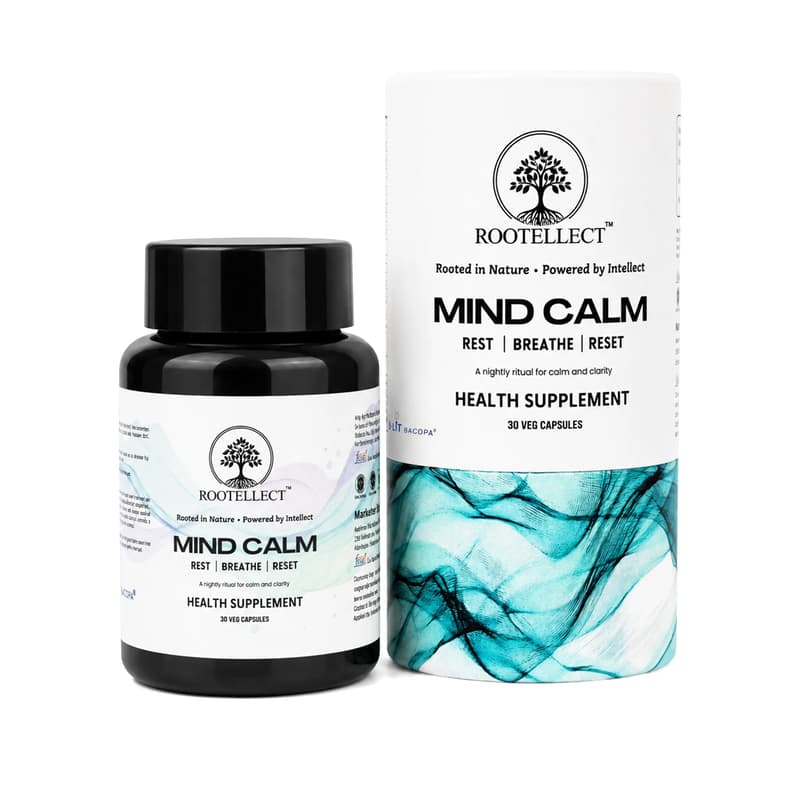
Rootellect Mind Calm
Price: Rs.1,049
Support everyday calm focus and a healthier stress response with clean-label Mind Calm.
Shop Mind Calm →“This product is not intended to diagnose, treat, cure, or prevent any disease. Results may vary. Always consult your healthcare provider before starting any new supplement.”
The Bottom Line
High cortisol symptoms in women often develop gradually, making them easy to overlook. Fatigue, sleep problems, anxiety, weight gain, brain fog, and hormonal changes may seem unrelated at first, but they can all be connected by one common thread: chronic stress.
The encouraging news is that cortisol levels often respond positively to consistent lifestyle changes. By prioritizing sleep, movement, nutrition, and stress recovery, you can help your body return to a healthier state of balance.
Your body isn't working against you. It's responding to the environment it's been given. Supporting that response is often the first step toward feeling like yourself again.
Ready to go deeper on herbal calm and sleep support?
Mind Calm herbal supplement guide →Frequently Asked Questions
Q1. Can high cortisol cause belly fat in women?
Yes. Elevated cortisol can increase fat storage around the abdomen and make weight management more difficult, even when eating habits stay roughly the same. This happens partly because cortisol influences blood sugar regulation and insulin activity.
Q2. What is the fastest way to lower cortisol naturally?
There is no single overnight fix, but improving sleep quality, reducing chronic stress load, exercising moderately (not overtraining), and keeping blood sugar more stable through balanced meals are among the most effective natural strategies. Consistency matters more than intensity.
Q3. Can cortisol affect hormones in women?
Yes. Cortisol interacts closely with estrogen, progesterone, and other hormones. When stress stays high, the body may prioritize survival responses over reproductive balance, which can show up as irregular periods, stronger PMS, or mood changes.
Q4. How do I know if my cortisol levels are high?
Common clues include midsection weight gain, wired-but-tired energy, poor sleep, brain fog, stronger cravings, mood changes, and cycle shifts. Symptoms can provide useful clues, but testing through a healthcare professional is the most accurate way to assess cortisol levels.
Q5. Can supplements help with cortisol management?
Certain adaptogenic herbs and targeted nutrients may support stress resilience when used alongside healthy sleep, nutrition, movement, and recovery habits. Supplements are meant to complement — not replace — professional guidance, especially if symptoms are severe or persistent.
Q6. What are the most common high cortisol symptoms in women?
The most commonly reported signs include stubborn belly fat, daytime fatigue with restless nights, sleep disruption, feeling easily overwhelmed, sugar cravings, brain fog, menstrual changes, more frequent illness, skin or hair changes, and higher blood pressure under chronic stress.
References & Further Reading
This guide draws on established medical and research resources on cortisol physiology, chronic stress, and women's health. Explore the verified sources below for deeper reading.
Cleveland Clinic — Cortisol: What It Is, Function & Levels
Mayo Clinic — Chronic Stress Puts Your Health at Risk
NIDDK — Cushing's Syndrome (Excess Cortisol)
American Psychological Association — Stress
National Institute of Mental Health — Stress & Your Health
NCBI Bookshelf — Physiology, Cortisol
Disclaimer
This article is intended for informational and educational purposes only and should not be considered medical advice. Individual health conditions vary, and it is recommended to consult a qualified healthcare professional before making any changes to your diet, lifestyle, or supplementation. Any products or ingredients mentioned are not intended to diagnose, treat, cure, or prevent any disease.
Frequently Asked Questions
Can high cortisol cause belly fat in women?
Yes. Elevated cortisol can increase fat storage around the abdomen and make weight management more difficult, even when eating habits stay roughly the same. This happens partly because cortisol influences blood sugar regulation and insulin activity.
What is the fastest way to lower cortisol naturally?
There is no single overnight fix, but improving sleep quality, reducing chronic stress load, exercising moderately (not overtraining), and keeping blood sugar more stable through balanced meals are among the most effective natural strategies. Consistency matters more than intensity.
Can cortisol affect hormones in women?
Yes. Cortisol interacts closely with estrogen, progesterone, and other hormones. When stress stays high, the body may prioritize survival responses over reproductive balance, which can show up as irregular periods, stronger PMS, or mood changes.
How do I know if my cortisol levels are high?
Common clues include midsection weight gain, wired-but-tired energy, poor sleep, brain fog, stronger cravings, mood changes, and cycle shifts. Symptoms can provide useful clues, but testing through a healthcare professional is the most accurate way to assess cortisol levels.
Can supplements help with cortisol management?
Certain adaptogenic herbs and targeted nutrients may support stress resilience when used alongside healthy sleep, nutrition, movement, and recovery habits. Supplements are meant to complement — not replace — professional guidance, especially if symptoms are severe or persistent.
What are the most common high cortisol symptoms in women?
The most commonly reported signs include stubborn belly fat, daytime fatigue with restless nights, sleep disruption, feeling easily overwhelmed, sugar cravings, brain fog, menstrual changes, more frequent illness, skin or hair changes, and higher blood pressure under chronic stress.