“Quick answer: Strength training after 40 helps preserve lean muscle, protect bone density, support metabolism, and improve energy — without making women bulky. Start with 2–3 beginner-friendly sessions each week and progress gradually.”
Turning 40 is a significant milestone, but it also marks a time when your body begins to experience natural hormonal and physical changes. Many women notice slower metabolism, reduced muscle tone, increased fatigue, weight gain, and weaker bones. While these changes are common, they don't have to define your health.
One of the most effective ways to stay strong, energetic, and healthy after 40 is strength training. Contrary to common myths, lifting weights won't make women bulky. Instead, it helps build lean muscle, improves bone density, boosts metabolism, and supports long-term wellness.
Let's explore why strength training is one of the best investments women over 40 can make — and how to begin safely.
Key takeaways
- —Resistance training helps preserve muscle and support metabolism after 40.
- —Weight-bearing strength work supports bone density and may help reduce osteoporosis risk.
- —2–3 sessions per week with compound movements is enough to start.
- —Protein, calcium, vitamin D, and recovery nutrition amplify results.
- —Perimenopause and hormonal shifts make consistent strength work especially valuable.
What Is Strength Training?
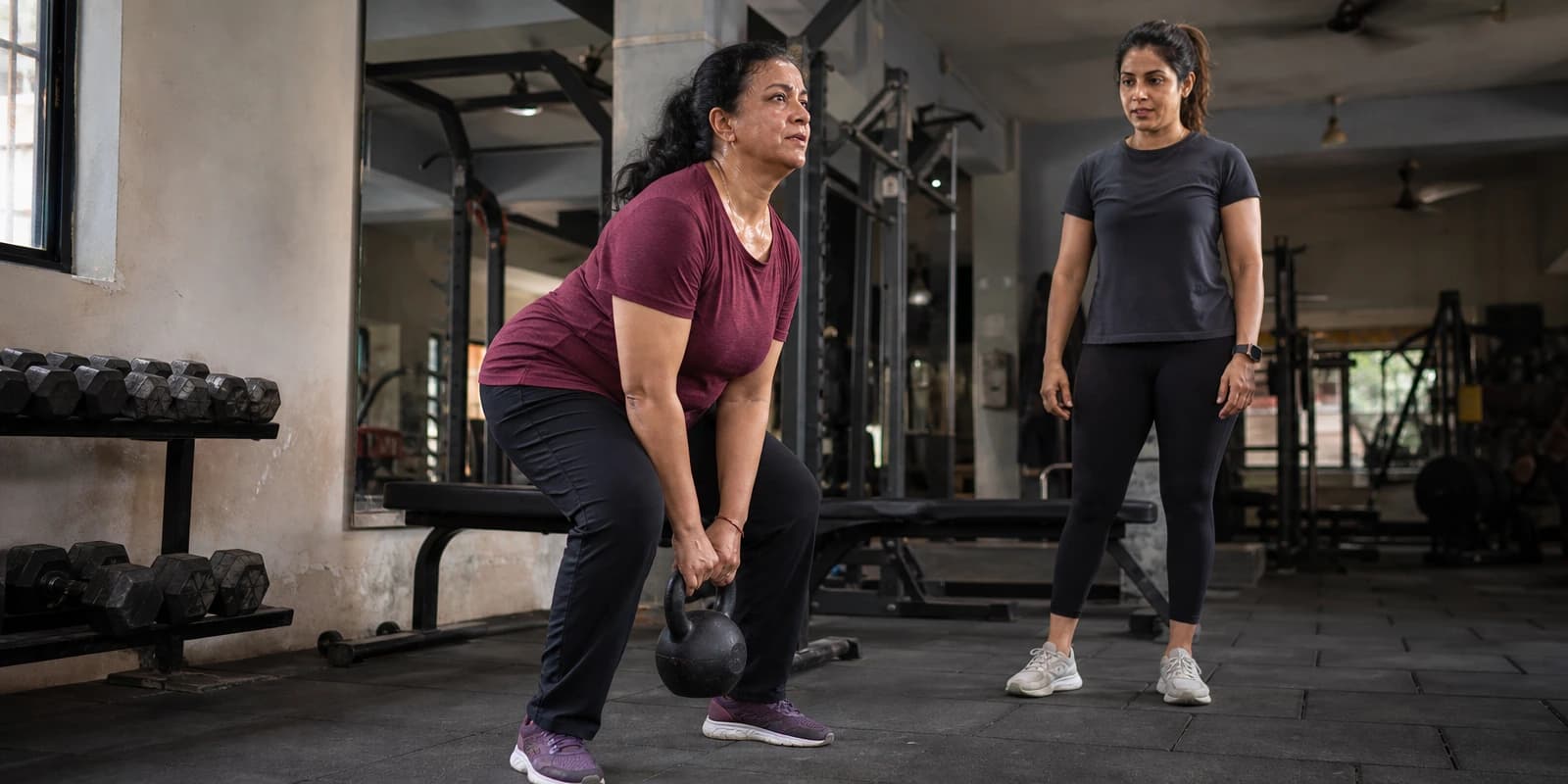
Strength training, also known as resistance training, involves exercises that make your muscles work against resistance. This resistance can come from dumbbells, resistance bands, kettlebells, bodyweight exercises, or weight machines.
The goal isn't necessarily to lift heavy weights but to gradually improve muscle strength, endurance, and overall fitness. For women over 40, that gradual approach is often the safest and most sustainable path.
- —Dumbbells
- —Resistance bands
- —Kettlebells
- —Bodyweight exercises
- —Weight machines
Why Strength Training Becomes More Important After 40
As women age, estrogen levels begin to decline, especially during perimenopause and menopause. This hormonal shift can lead to loss of muscle mass, reduced bone density, slower metabolism, increased body fat, joint stiffness, and lower energy levels.
Without regular strength training, these changes can accelerate. The good news is that resistance exercises help slow — and in many cases meaningfully improve — several of these effects when paired with sleep, nutrition, and stress care.
If you're navigating midlife hormonal shifts, this related guide can help you connect lifestyle habits with perimenopause support:
9 Lifestyle Changes That Can Make Perimenopause EasierTop Benefits of Strength Training for Women Over 40
1. Preserves Lean Muscle Mass
After age 30, adults naturally lose muscle every decade if they remain inactive. Muscle loss often becomes more noticeable after 40. Strength training stimulates muscle growth, helping women stay stronger, more active, and independent as they age.
- —Better posture
- —Increased strength
- —Improved balance
- —Easier daily activities
2. Boosts Metabolism and Supports Weight Management
Many women struggle with stubborn belly fat after 40 due to hormonal changes and slower metabolism. Muscle tissue burns more calories than fat — even while resting. By supporting lean muscle, strength training can make weight management easier when combined with a balanced diet.
3. Strengthens Bones and Helps Support Bone Density
Women face a higher risk of lower bone density after menopause because declining estrogen affects bone strength. Strength training places healthy stress on bones, encouraging them to become stronger and denser over time.
- —Supports bone density
- —May help reduce fracture risk
- —Improves stability to lower fall risk
- —Supports long-term mobility
4. Improves Joint Health
Contrary to popular belief, properly performed strength training protects joints instead of damaging them. Stronger muscles support knees, hips, shoulders, and the lower back, reducing pressure on joints and helping ease everyday discomfort.
5. Enhances Heart Health
Strength training supports cardiovascular wellness by helping improve blood pressure, cholesterol balance, blood sugar control, and overall circulation. When combined with regular walking or cardio, resistance training creates a powerful heart-healthy routine.
6. Supports Hormonal Balance
Movement helps regulate systems that influence mood, stress, sleep, energy, and appetite. Strength training may also improve insulin sensitivity, which becomes increasingly important after 40.
Want a deeper look at midlife hormone signals and natural support options?
Hormonal Imbalance: Signs, Causes & SupportExplore Rootellect's hub for cycle, PMS, PCOS, and perimenopause education:
Hormonal Balance Wellness Hub7. Improves Mental Health and Confidence
Exercise isn't just beneficial for the body — it supports the mind too. Regular strength training can help reduce stress, lower anxiety, improve mood, increase confidence, enhance focus, and promote better sleep. Many women also feel a renewed sense of accomplishment as they get stronger.
If stress and sleep are part of your midlife picture, this guide pairs well with a strength routine:
From Chaos to Calm: The Science of Sleep & Stress8. Improves Balance and Reduces Fall Risk
Falls become more common with age and can lead to serious injuries. Strength training improves coordination, stability, core strength, and balance — helping women remain active and independent for years to come.
How to Start Strength Training After 40
If you're new to strength training, there's no need to feel intimidated. Start slowly and focus on consistency rather than intensity.
Begin with 2–3 sessions per week
Allow at least one day of rest between workouts so muscles can recover and adapt.
Focus on compound exercises
These movements work multiple muscle groups and deliver more benefit per session:
- —Squats
- —Lunges
- —Push-ups (wall or knee variations)
- —Glute bridges
- —Rows
- —Shoulder presses
- —Deadlifts (light weight)
Start with light resistance and prioritize form
Use light dumbbells or resistance bands while learning proper technique. Good form prevents injuries and ensures better results. Increase weight or repetitions slowly as your strength improves.
Nutrition Matters Too
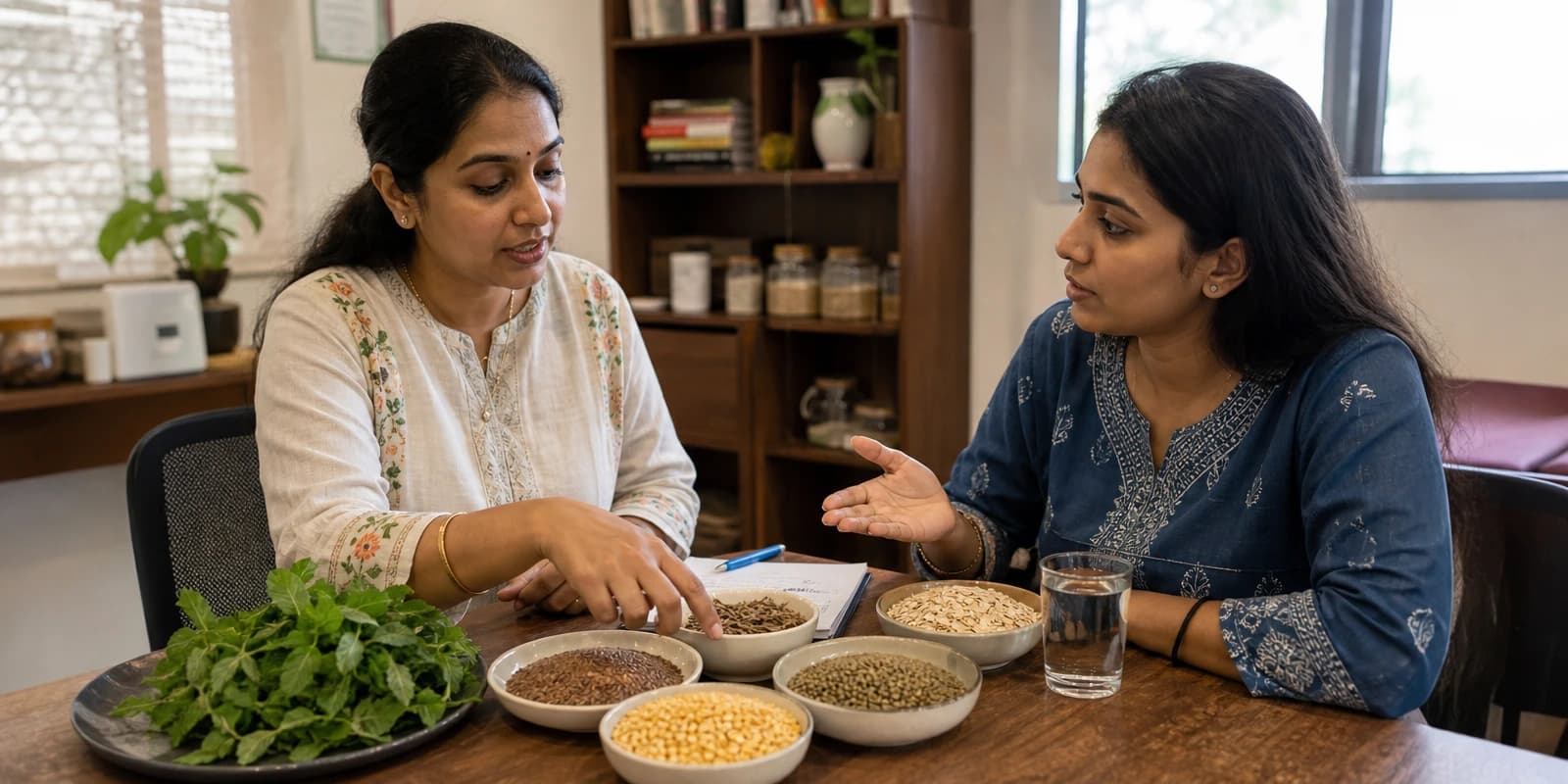
Strength training works best alongside proper nutrition. Include lean protein, calcium-rich foods, vitamin D, healthy fats, fruits and vegetables, and plenty of water. Protein is especially important because it helps repair and build muscles after workouts.
For a broader look at women's energy and hormonal wellness nutrition patterns, read:
Hormonal Balance for Women: A Natural Path to EnergyCommon Myths About Strength Training
Myth: Lifting weights makes women bulky
Reality: Women generally don't produce enough testosterone to develop large muscles naturally. Most women build leaner, stronger bodies — not bulk.
Myth: Cardio is enough
While cardio benefits heart health, it doesn't preserve muscle or strengthen bones as effectively as resistance training.
Myth: It's too late to start after 40
Research consistently shows women can build muscle and improve strength well into their 50s, 60s, and beyond.
Who Should Consult a Doctor First?
Speak with your healthcare provider before beginning a new exercise routine if you have heart disease, severe osteoporosis, arthritis flare-ups, recent surgery, chronic medical conditions, or uncontrolled high blood pressure. A certified fitness professional can also help design a safe program based on your fitness level.
Support Midlife Strength With Daily Wellness Habits
Strength training is powerful on its own — and even more effective when sleep, stress resilience, and hormonal wellness habits are part of the same routine. Rootellect's plant-based formulas are designed to support everyday calm, women's cycle balance, and perimenopause wellness alongside lifestyle foundations like movement and nutrition.
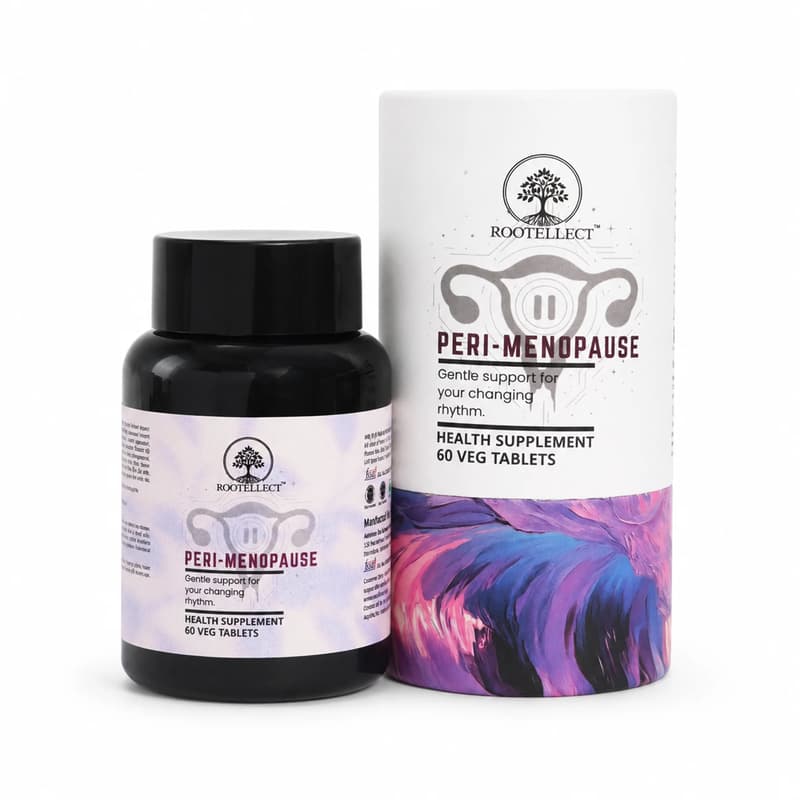
Rootellect Perimenopause Support
Price: Rs.1,099
Explore plant-based perimenopause support designed for daily hormonal wellness during midlife transitions.
Shop Perimenopause Support →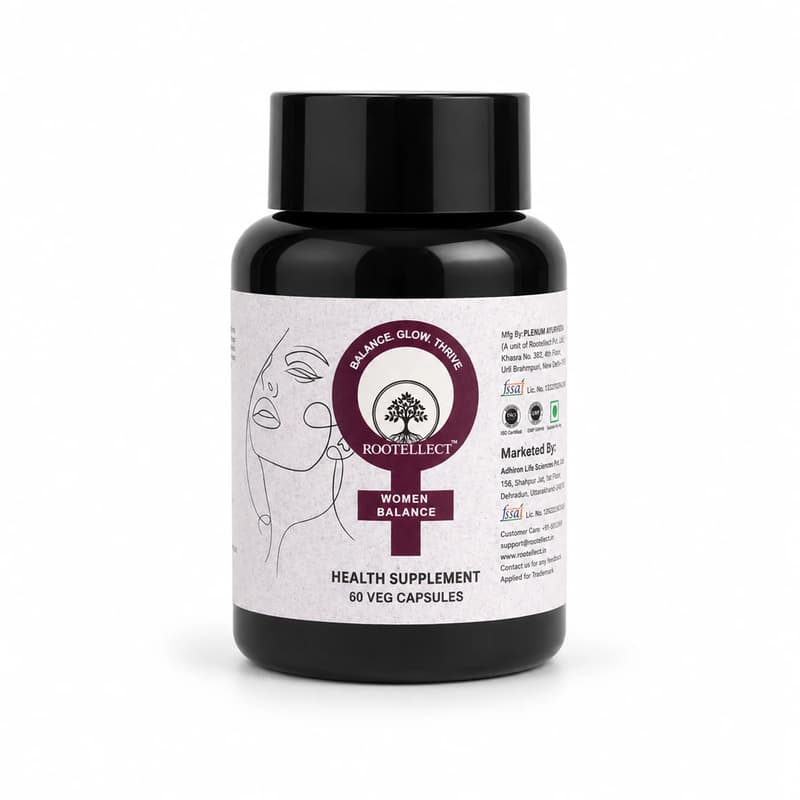
Rootellect Women Balance
Price: Rs.999
Support everyday women's hormonal balance as part of a consistent wellness routine.
Shop Women Balance →Looking for calm focus and stress resilience to pair with your training recovery?
Explore Mind Calm“Disclaimer: Rootellect products are dietary supplements and are not intended to diagnose, treat, cure, or prevent any disease. This article is for educational purposes only and is not medical advice. Consult a qualified healthcare professional before starting a new exercise or supplement routine.”
Final Thoughts
Your 40s are not the beginning of decline — they can be the start of your strongest years yet. Strength training is one of the most effective ways to improve muscle strength, protect bone health, boost metabolism, support hormonal changes, and maintain independence as you age.
You don't need to spend hours in the gym or lift extremely heavy weights. A few consistent strength-training sessions each week can deliver remarkable physical and mental wellness benefits. Whether your goal is managing weight, staying active, supporting bone health, or simply feeling stronger every day, strength training is one of the best lifelong habits every woman over 40 can adopt.
Frequently Asked Questions
Will strength training make women over 40 bulky?
No. Most women do not produce enough testosterone to build large, bulky muscles naturally. Strength training typically builds lean muscle, improves tone, and supports metabolism.
How many days a week should women over 40 strength train?
Most beginners do well with 2–3 strength sessions per week, with at least one rest day between workouts.
Is it too late to start lifting weights after 40?
It is not too late. Women can build muscle and improve strength into their 50s, 60s, and beyond with consistent, progressive training.
Can strength training help during perimenopause?
Yes. It can support muscle mass, bone density, metabolism, mood, sleep quality, and insulin sensitivity — areas that often shift during perimenopause.
References
Mayo Clinic — Strength training: Get stronger, leaner, healthier
NIH News in Health — Maintain Your Muscle
Mayo Clinic — Osteoporosis overview
PubMed — Resistance training and aging research
PubMed — Strength training outcomes in midlife and older adults
Frequently Asked Questions
Will strength training make women over 40 bulky?
No. Most women do not produce enough testosterone to build large, bulky muscles naturally. Strength training typically builds lean muscle, improves tone, and supports metabolism without creating a bulky look.
How many days a week should women over 40 strength train?
Most beginners do well with 2–3 strength sessions per week, with at least one rest day between workouts. Consistency and good form matter more than training every day.
Is it too late to start lifting weights after 40?
It is not too late. Research shows women can build muscle and improve strength into their 50s, 60s, and beyond when they train consistently and progress gradually.
Can strength training help with perimenopause symptoms?
Strength training can support muscle mass, bone density, metabolism, mood, sleep quality, and insulin sensitivity — areas that often shift during perimenopause. Pair it with sleep, nutrition, and stress support for best results.
What are the best beginner strength exercises for women over 40?
Compound moves such as squats, lunges, glute bridges, rows, shoulder presses, wall or knee push-ups, and light deadlifts are excellent starting points when performed with proper form.
Should I see a doctor before starting strength training?
Yes, if you have heart disease, severe osteoporosis, arthritis flare-ups, recent surgery, chronic medical conditions, or uncontrolled high blood pressure. A clinician or certified trainer can help tailor a safe plan.